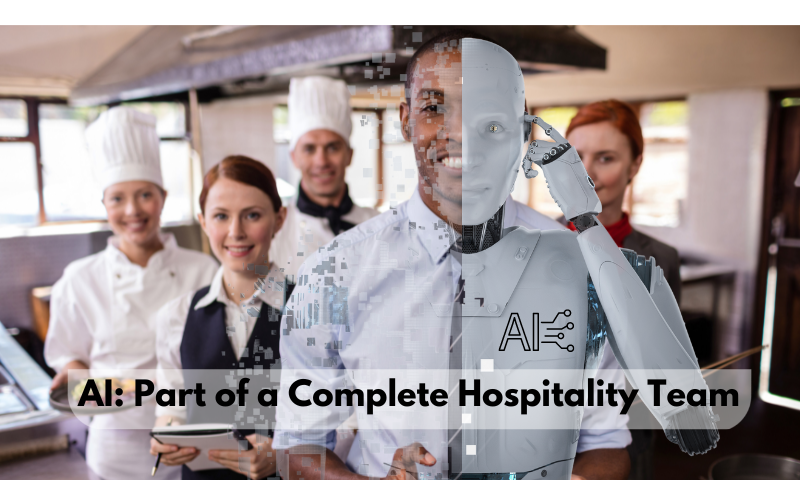
The Smartest Guest Experience Yet: Why Hotels Are Turning to AI Concierge

In today’s fast-paced digital world, the hospitality industry is undergoing a massive transformation. At the heart of this revolution is the rise of AI-powered hotel concierge services—technology designed to make every guest’s stay seamless, personalized, and unforgettable. And leading this innovation is LiveSmartAi, your partner in delivering the future of guest experience.

What is an AI Hotel Concierge?

An AI hotel concierge is a virtual assistant integrated into your hotel’s systems—accessible via smart devices, in-room voice assistants like Alexa, or your website. It’s trained to handle everything from room service orders to local recommendations, all while reducing operational load on your staff.

Instead of waiting in line or calling the front desk, guests can simply say, “Alexa, request extra towels”, or type in a chatbot, “What’s the Wi-Fi password?” The response? Instant, accurate, and on-brand.

Why Smart Hotel Technology Matters

With increasing guest expectations and growing demand for contactless services, smart hotel technology is no longer a luxury—it’s a necessity. LiveSmartAi equips your hotel with AI-driven tools that enhance comfort, improve efficiency, and create a “wow” factor guests remember (and rave about in reviews).

Here’s how LiveSmartAi can transform your operations:

  • 💡 Voice-activated room controls

  • 💬 24/7 AI concierge chatbot

  • 📲 Seamless integration with PMS, CRMs, and booking engines

Real-Time Personalization at Scale

The beauty of AI lies in its ability to learn and adapt. LiveSmartAi tracks guest preferences and behavior (always with privacy in mind) to offer tailored suggestions. From recommending nearby restaurants to alerting housekeeping when a guest checks out, automation means no detail is ever missed.

The Business Case for AI in Hospitality

It’s not just about guest satisfaction—it’s about ROI. Properties using LiveSmartAi report:

-30% faster response times

-40% increase in positive guest reviews

-Reduced front-desk dependency

-Higher staff productivity

Designed for Hotels of All Sizes

Whether you’re a boutique property or a multi-location brand, LiveSmartAi scales with your needs. Our flexible platform works with your existing systems and elevates your brand’s digital experience—without expensive overhauls.

Final Thoughts

The future of hospitality is here, and it’s intelligent, efficient, and voice-activated. With LiveSmartAi, you’re not just installing tech—you’re reimagining your guest journey.

🚀 Ready to elevate your guest experience?
📧 Contact us at info@livesmart.ai
🌐 Visit www.livesmart.ai

Using Alexa for Hospitality to Elevate and Personalize Your Guests' Experience

In the modern hospitality landscape, personalization is no longer just a nice-to-have—it’s a necessity. Guests expect more than just a comfortable bed and friendly service; they want tailored experiences that make them feel valued and understood. By integrating Alexa for Hospitality with a hotel’s Property Management System (PMS) and loyalty programs, hotels can deliver an unprecedented level of personalization, creating memorable experiences that drive loyalty and increase guest satisfaction.

How Alexa and PMS Integration Works: Alexa for Hospitality goes beyond voice commands for controlling lights and setting alarms. When integrated with your hotel’s PMS, Alexa becomes a personalized concierge for each guest, offering customized services based on guest profiles, preferences, and even loyalty tier status.


Imagine a guest checks into your hotel, and Alexa immediately recognizes their preferences: the room is set to their preferred temperature, a spa appointment is scheduled based on their last stay, and dining recommendations align with their dietary preferences. By pulling data from your PMS, Alexa can access and act on all this information automatically, offering a seamless and enhanced experience from check-in to check-out.


Tailoring the Experience with Loyalty Systems: For returning guests, loyalty programs play a crucial role in ensuring repeat business and customer satisfaction. When integrated with Alexa, these loyalty systems can unlock a new level of personalization. For example, if a guest is part of your loyalty program, Alexa can welcome them by name, thank them for their continued patronage, and offer exclusive perks or upgrades based on their loyalty level.


This not only makes guests feel valued but also ensures that the benefits of being a loyal customer are immediately apparent from the moment they walk into their room. Offering personalized greetings, room upgrades, and tailored amenities based on loyalty status can significantly enhance the guest experience and increase brand affinity.


Delivering a Personalized Stay: Here’s how integrating Alexa with PMS and loyalty systems can enhance personalization across various touchpoints of a guest’s stay:


  • Room Customization: Alexa can adjust room settings such as lighting, temperature, and even entertainment preferences based on previous stays or preferences entered in the guest profile.

  • Dining and Service Requests: Guests can use Alexa to book restaurant reservations, request housekeeping, or order room service. For repeat guests, Alexa can remember past orders or preferences, making the process faster and more personalized.

  • Exclusive Offers: Alexa can notify guests of special offers, events, or upgrades that are exclusive to their loyalty tier. This dynamic engagement helps guests feel more connected to your brand and encourages future bookings.

Seamless Communication and Enhanced Service: Beyond personalizing the stay, Alexa integration simplifies communication between guests and hotel staff. For example, if a guest requests a late check-out or needs extra towels, Alexa can handle the request directly, minimizing friction and enhancing convenience. This allows hotel staff to focus on delivering exceptional service rather than managing routine inquiries, making the entire experience smoother and more efficient for everyone involved.


Incorporating Alexa for Hospitality into your hotel’s PMS and loyalty systems doesn’t just improve the guest experience—it elevates it to new heights. By offering a fully personalized stay that adapts to each guest’s unique preferences and loyalty level, you’ll build stronger relationships, improve satisfaction, and ultimately foster long-term loyalty.

Want to learn how Live Smart Ai can help your hotel integrate Alexa for Hospitality to create tailored, unforgettable guest experiences? Contact us today for a free consultation and discover how you can stay ahead in the ever-evolving hospitality industry.

A Glimpse into the Future of Work - How is AI reshaping the workplace

Artificial intelligence continues to reshape the workplace, and its influence is more evident than ever. According to LinkedIn’s “Jobs on the Rise” list for 2025, Artificial Intelligence Engineer and Artificial Intelligence Consultant claim the top two spots, reflecting the transformative role AI plays in today’s economy. These job titles are not just indicative of a growing trend; they represent the forefront of a technological revolution impacting every sector. Let’s explore the significance of these roles and the broader insights they offer about the future of jobs.  

The Top AI Job Titles

  1. Artificial Intelligence Engineer AI Engineers are the architects of change, developing and implementing AI models to solve complex problems and optimize processes. With expertise in Large Language Models (LLMs), Natural Language Processing (NLP), these professionals are driving innovation across technology, IT services, and manufacturing industries. Their role is critical as companies increasingly rely on AI to enhance efficiency and create cutting-edge solutions.
  2. Artificial Intelligence Consultant AI Consultants guide organizations in adopting and integrating AI technologies to meet business goals. They specialize in Prompt Engineering, acting as strategic partners to help businesses navigate the complexities of AI implementation. These roles span industries like consulting, technology, and IT services, emphasizing the importance of aligning AI capabilities with organizational objectives.

The prominence of these roles reflects the demand for expertise that combines technical prowess with strategic thinking, underscoring AI’s dual nature as a tool for innovation and a driver of business transformation.    

What These Titles Say About the Future of Work

1. AI is Ubiquitous Across Industries

From healthcare to finance, AI is no longer confined to tech giants; it’s permeating every sector. Roles like AI Engineer and Consultant highlight how organizations are leveraging AI to innovate, streamline operations, and gain competitive advantages.

2. The Importance of Reskilling

Professionals transitioning into these roles often come from fields like full-stack engineering, data science, and operations. This reflects the need for continual learning and reskilling as AI technologies evolve. LinkedIn’s free AI-focused courses signal an opportunity for professionals across industries to build foundational knowledge in this field.

3. The Rise of Hybrid and Remote Work

Both AI roles offer significant flexibility, with many positions allowing remote or hybrid arrangements. This trend is becoming a defining feature of modern workplaces, providing opportunities for talent regardless of geography.

4. Addressing Gender Disparities

AI roles continue to face gender imbalances, with women comprising only 20-30% of these positions. This disparity highlights the need for more inclusive pathways into AI-focused careers, ensuring diverse perspectives in shaping AI’s future.  

Preparing for the Future

For professionals, these trends offer clear takeaways:  

  • Embrace AI Literacy: Understanding AI basics is becoming essential, even in non-technical fields.
  • Seek Flexibility: Remote and hybrid work opportunities are increasing across sectors.
  • Invest in Lifelong Learning: As industries evolve, staying competitive requires continual upskilling and reskilling.

Final Thoughts

The rise of AI-focused roles at the top of LinkedIn’s list is more than a reflection of demand—it’s a signal of where the future is headed. As AI reshapes industries and creates new opportunities, professionals who adapt to these changes and invest in their skills will be well-positioned to thrive in the ever-changing workforce. The key to success lies in embracing innovation while maintaining the human touch that technology can never replace.

Hotel 2.0: How Voice Technology is Shaping the Future of Guest Services

The hospitality industry is undergoing a remarkable transformation — and at the heart of this evolution is voice technology. In an era where convenience, personalization, and immediacy define guest expectations, smart hotel rooms powered by voice assistants like Alexa are setting a new benchmark for service excellence.

The Rise of the Smart Hotel Room

Gone are the days when a comfortable bed and complimentary breakfast were enough. Today’s travelers seek seamless, tech-driven experiences that feel intuitive and customized. Enter the Alexa-enabled smart room — where a simple voice command can adjust the room temperature, dim the lights, play relaxing music, or request extra towels without ever picking up the phone.

Hotels are embracing this innovation not just as a luxury feature, but as a core part of their guest service strategy. Smart rooms eliminate friction in guest interactions, offering a level of control and immediacy that traditional services struggle to match.

Enhancing Guest Convenience

Voice technology streamlines every part of a guest’s stay. From effortless in-room dining orders to quick concierge requests, guests enjoy the ability to get what they need instantly — simply by asking.
No more waiting on hold for the front desk or browsing through menus; Alexa acts as a 24/7 personal assistant, ready to serve at a moment’s notice.

This heightened convenience also benefits hotel operations. By automating routine requests, staff can focus on delivering more meaningful, personalized interactions, leading to greater guest satisfaction and operational efficiency.

Personalization at a New Level

Voice technology allows hotels to tailor experiences like never before. Guests can personalize their room environment based on preferences — preferred lighting, room temperature, wake-up alarms, and even curated local recommendations.
Hotels can also program branded, location-specific Alexa responses that align with their unique identity, ensuring that every voice interaction feels authentic and memorable.

Such personalization transforms a guest’s stay from simply “comfortable” to truly unforgettable — increasing loyalty and positive reviews.

A Win-Win for Hotels and Guests

For hotels, investing in voice-enabled smart rooms isn’t just about impressing tech-savvy guests; it’s a strategic move toward efficiency, differentiation, and profitability. Smart rooms help reduce operational costs, optimize energy usage, and collect valuable (privacy-compliant) insights into guest preferences.

Meanwhile, guests appreciate the elevated service experience — one that feels effortless, modern, and respectful of their time.

The Future Is Now

As voice technology continues to advance, the future of hospitality lies in crafting experiences that are not just service-oriented, but service-intelligent.
Hotels that embrace this shift will position themselves as leaders in a competitive landscape where guest experience is king.

The age of Hotel 2.0 has arrived — and with Alexa in the room, the future of guest services has never sounded better.

If you’re ready to upgrade your property with Alexa-powered smart room technology, reach out to us today at info@livesmart.ai or visit www.livesmart.ai. Let’s make your hotel smarter — and your guests happier.

From Chatbots to Smart Rooms: Exploring AI Innovations in the Hospitality Sector

The hospitality industry has always been at the forefront of embracing technological 


advancements to enhance the guest experience. In recent years, artificial intelligence (AI) has emerged as a game-changer in this sector, revolutionizing the way hotels and resorts interact with their guests. From chatbots to smart rooms, AI innovations are transforming the hospitality landscape, offering personalized services and seamless automation. In this blog post, we will delve into some of the most exciting AI applications in the hospitality sector.


One of the most prominent AI innovations in the hospitality industry is the use of chatbots and SMS. These virtual assistants provide round-the-clock customer service, allowing guests to receive instant responses to their queries. Chatbots and SMS are trained to answer common questions, make reservations, and provide recommendations on nearby attractions and amenities. By automating these routine tasks, hotels can free up staff to focus on more complex guest needs. Chatbots and SMS also offer multilingual support, ensuring effective communication with international visitors.


However, AI’s influence in the hospitality sector extends beyond chatbots and SMS. Smart rooms equipped with AI-powered devices have gained significant popularity. These rooms are equipped with sensors, voice recognition systems, and connected devices that create a personalized and convenient experience for guests. For instance, smart rooms can adjust temperature and lighting preferences based on individual preferences, create ambient atmospheres, and even play music based on guest preferences. to Alexa for Hospitality and at some point work in that Live Smart is an amazon ASP partner and does Alexa installs, integrations and conversation design, maintenance and support.


Moreover, AI is enabling hotels to provide hyper-personalized experiences to their guests. By leveraging guest data and AI algorithms, hotels can gain insights into individual preferences, such as preferred room temperature, room service choices, or preferred pillow type. This data can be used to tailor the guest experience, making each stay unique and memorable. For example, AI can notify hotel staff to provide a specific brand of toiletries, favorite snacks, or play a particular genre of music upon entering the room that matches the guest preferences


AI is also enhancing the safety and security measures in the hospitality industry. Facial recognition technology is being used for check-ins, replacing traditional identification methods and reducing waiting times. AI-powered surveillance systems can monitor and identify suspicious activities, enhancing the overall security of the premises. Additionally, AI algorithms can analyze data from various sources, such as social media or travel patterns, to identify potential threats or prevent fraudulent activities, ensuring the safety of both guests and staff.


Another AI-driven innovation is the use of machine learning algorithms for revenue management and pricing optimization. By analyzing historical data, market trends, and competitor information, AI algorithms can determine the optimal pricing strategy for hotel rooms. These algorithms can continuously adapt and optimize prices in real-time, maximizing revenue and occupancy rates. This not only benefits hotel owners but also allows guests to find competitive prices and deals based on demand and availability.


While AI innovations in the hospitality sector bring numerous benefits, it is important to strike a balance between automation and human interaction. While chatbots, SMS and Voice smart rooms provide convenience and efficiency, it is crucial to maintain a human touch and offer personal assistance when needed. Human staff members play a significant role in creating emotional connections with guests, resolving complex issues, and providing personalized recommendations that go beyond AI capabilities.


In conclusion, AI innovations have revolutionized the hospitality sector, transforming the way hotels and resorts interact with their guests. From chatbots and SMS providing instant customer service to smart rooms offering personalized experiences, AI is reshaping the industry. By leveraging AI technologies, hotels can streamline operations, enhance safety measures, and deliver unique guest experiences. As AI continues to evolve, we can expect even more exciting applications that will further elevate the hospitality sector, making each stay a truly unforgettable one. 


About The “Author” Kevin Kelly and Live Smart Ai


A 30-year veteran of the interactive digital marketing & creative advertising space, with expertise in customer experience design, Smart Home & AI voice technologies with brands like Amazon & Hard Rock.  

Ethics in AI: Live Smart Speaks at CES

Live Smart Ai President, Kevin Kelly, was the moderator of the panel: Ethics in AI, at CES 2019.  The panel members included Anna Bethke, Head of AI for Social Good at Intel, David Hanson, CEO of Hanson Robotics, and Mina Hanna, Chair of IEEE-USA AI and Autonomous Systems Policy Committee.  The group had a lively discussion about the ethics of AI from their diverse perspectives and how to use it for good.


Click to watch the video below and email us at  for a link to the full presentation.


5 Reasons why AI can solve the Human Resource Shortage in the Hospitality Industry

The hospitality industry is known for its exceptional customer service and personalized guest experiences. However, the industry has been grappling with a persistent human resource shortage that poses challenges to maintaining service standards. Fortunately, artificial intelligence (AI) has emerged as a game-changer, offering innovative solutions to bridge the gap. In particular, the use of chatbots and voice-enabled virtual assistants like Alexa is transforming guest assistance and customer service, ensuring a seamless experience even amidst a shortage of human resources.


  1. Streamlined Guest Assistance

Chatbots have become an indispensable tool for handling guest inquiries and providing prompt assistance. By leveraging natural language processing algorithms, these AI-powered virtual assistants can understand and respond to guest queries effectively. Chatbots can be integrated into hotel websites and mobile apps, allowing guests to access information about room availability, amenities, pricing, and more. They can also help with reservations, check-ins, and check-outs, reducing the need for human staff. Let your staff your staff focus on creating more personal interactions for your guests


        2.Enhanced Customer Service

Alexa voice assistants have gained popularity in homes, and their integration into the hospitality industry brings numerous benefits. These voice-enabled devices can provide personalized recommendations for dining options, local attractions, and even spa services, based on guest preferences. Voice assistants can also handle room service requests, such as ordering food or requesting housekeeping, eliminating the need for guests to make phone calls or wait in line. They can even handle smart room controls like turning the lights on and off, changing the temperature, opening your blinds and can let the maintenance crew know your faucet is dripping.The convenience and efficiency offered by AI-driven voice assistants enhance the overall customer service experience.


       3.Efficient Staff Training

AI technology can also be utilized to streamline staff training processes, reducing the strain caused by limited human resources. Chatbots can simulate various scenarios, allowing employees to practice their skills and learn how to handle different guest situations. These virtual training sessions can be personalized and easily accessible, ensuring that staff members are well-prepared to provide excellent service. Additionally, AI-powered systems can analyze employee performance data and provide constructive feedback, further enhancing their professional growth.


     4.Data Analytics and Insights

The utilization of AI in the hospitality industry goes beyond guest assistance and customer service. AI algorithms can analyze large volumes of data, including guest feedback, preferences, and behavior patterns. This data-driven approach provides valuable insights for improving service quality, optimizing operational efficiency, and enhancing overall guest experiences. By leveraging AI-powered analytics, hotels can make informed decisions, anticipate customer needs, and tailor their services accordingly, leading to increased guest satisfaction and loyalty. Using chatbots and voice gives us more data to work with feedback directly from guests. Every interaction on your chatbot can be reviewed and improved and examined for trends and reveals service culture issues that need to be addressed.


     5.Personalized Experiences

AI technologies enable the hospitality industry to deliver highly personalized experiences to guests. Chatbots and voice assistants can remember guest preferences, such as room temperature, preferred amenities, or dietary restrictions. This information can be utilized to create customized recommendations, offers, and promotions that cater to individual preferences. By providing tailored experiences, hotels can differentiate themselves in a crowded market and create a lasting impression on their guests.


Conclusion


The ongoing human resource shortage in the hospitality industry poses significant challenges to maintaining high service standards. However, with the advent of AI-driven solutions like chatbots and voice-enabled virtual assistants, the industry is finding innovative ways to bridge the gap. These technologies streamline guest assistance, enhance customer service, facilitate staff training, provide data-driven insights, and deliver personalized experiences. By leveraging AI, hotels can overcome human resource shortages, improve operational efficiency, and continue to offer exceptional service, ensuring guest satisfaction and loyalty in a competitive landscape. 

If you would like to learn more about how AI can help you, reach out to the Care Team at Live Smart ai at careteam@livesmart.ai or call 212.461.6021 today.